Thursday, September 17th 2026
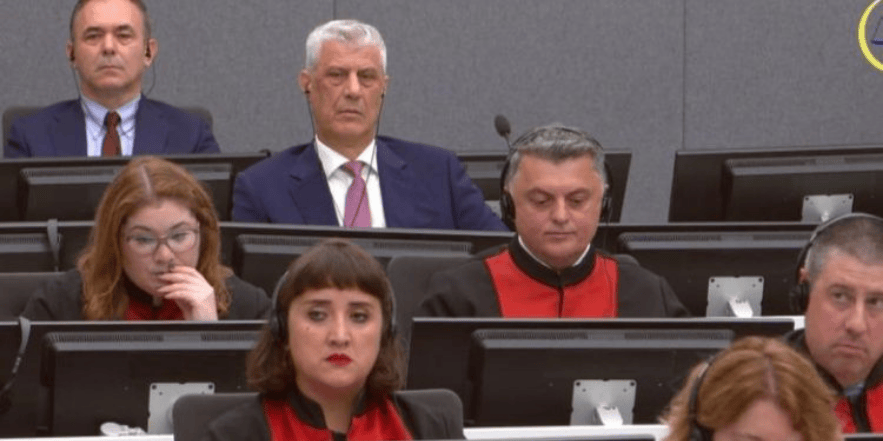
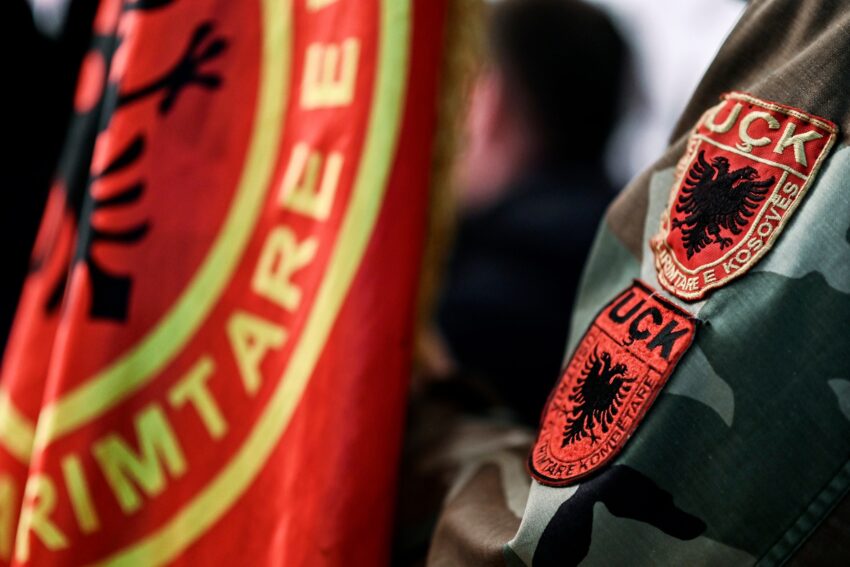
Big impact on the fragile relations between Kosovo and Serbia The Hague's decision to sentence Hashim Thaçi and three other former leaders of the KLA is expected to have consequences beyond the legal fate of the defendants. The former leaders of the KLA continue to be considered central figures in the struggle for the liberation of Kosovo and, according to the "Washington Post", may influence the internal debate on how the country remembers the war of 1998-1999, while relations with Serbia remain tense. The Specialized Chambers of Kosovo in The Hague sentenced Thaçi to 25 years in prison, after finding him guilty of murder, torture, cruel treatment and arbitrary detention. The former president, 58 years old, resigned from his post almost six years ago to face the charges and has denied them. According to the "Washington Post", the political weight of the decision is also related to the status that Thaçi and his co-defendants have in Kosovo. Kadri Veseli, Rexhep Selimi and Jakup Krasniqi are also former leaders of the KLA and, like Thaçi, have denied the charges. Over the weekend, thousands of citizens gathered in Pristina in their support, while portraits of the four former leaders were placed in the city and a giant screen counted down the hours until the verdict was announced. The American newspaper notes that the prosecution had asked for up to 45 years in prison for each of them. defendants, claiming that during the war they had targeted political opponents and civilians considered collaborators or traitors. The accused have denied these claims. Another element that can prolong the legal battle is the fact that the issues related to Thaçi do not end with this decision. According to the "Washington Post", the former president also faces another trial for charges related to the intimidation of witnesses, which is expected to start later this month. The decision takes on special weight because of the role that Thaçi has played in the history of Kosovo. He returned from Switzerland to join the war for independence, became one of the main political figures of the KLA and participated in the peace talks of 1999. After the war, he moved into institutional politics, becoming prime minister and then president of Kosovo. The "Washington Post" puts this story in the background of the conflict that left about 13,000 dead, most of them Kosovo Albanians, while about a million Albanians were driven from their homes. The 78-day NATO bombing campaign ended the fighting, while Kosovo declared independence in 2008, which Serbia still does not recognize. In this situation, the decision of The Hague can become a new point of conflict over the interpretation of the war and its political legacy. The reactions in Pristina show that the case is not seen only as a trial against four individuals, while the way the legal and political battle will develop after the verdict will be part of the future debate in Kosovo. checkered
Source: prizrenpost
Etiketa: current